Many of us have experienced it before we go to zip up the aero jersey, and we look down and see a big ole' belly. We start asking ourselves, have I missed too many training rides or had one too many beers? No, it's not fat; it's just bloat. Bloat can be uncomfortable and embarrassing, and it's one of the challenges I helped Tom overcome when he was training and racing professionally.
Tom would train for nearly 6 hours a day on his bike. I would prepare his post-ride meals. Early on in my nutrition journey, I was eager to create meals that would aid in his recovery. I based this off of what I had read about the benefits of certain foods and put as many good things as possible into this dish so he can recover. Simple, right? I would include a plethora of nutrient-dense grains, proteins, vegetables, and superfoods. But often, he felt bloated and sluggish after eating this. I reached out to Brendan Brazier. He is the co-founder of Vega Sport to come up with a solution and introduced me to the concept of proper food combining. Well, as it turns out, Tom was spending all kinds of energy trying to digest all these different foods at once in copious amounts.
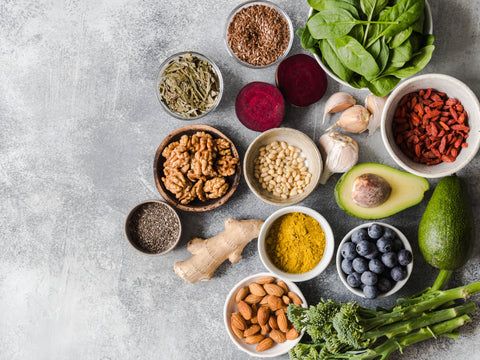
I want you to think of your body as a conveyor belt, and everything from your mouth to your stomach has to go in order. All of the food you eat has to wait for its turn. It has to be digested and processed. Some of it goes into our blood, some we hold onto for energy, and some we excrete. Each food type you eat has an optimal environment in which it needs to be digested. For example, some foods need an acidic environment to get digested like meat. While other foods a basic environment like grains. If you are prone to bloat and gas, you don't want always to combine a ton of things into one dish.
It can be counter-intuitive because we have always been told to have an equal amount of each type of food on the plate. But if your body spends less energy digesting, this translates to more energy on and off the bike. Once I started cooking for us like this, we lost weight, had more power, and needed less sleep, and recovered better.
Moving forward, try and keep your meals easy to digest, especially before and after training. We don't adhere to this all of the time. But it's a sure-fire answer if you are having GI trouble. I advise following these rules pre and post-ride and allow yourself whatever food combination I want for dinner.
Keep in mind proteins and fats can take up to 4-5 hours to digest, starches are generally digested in 2-3 hours, and fruit takes 30 minutes or less. Knowing these digestion times and planning your meals accordingly can really help in alleviating problems of digestion. Experiment with these simple principles for your self and see if you experience an improvement in your digestion. If you are having any gastrointestinal issues such as IBS, this can give you some relief.
Basic Guidelines
- Eat fruit on its own or blended in a smoothie to prevent fermentation it’s digested in 20 minutes.
- Avoid eating fruit after a heavy meal because it does not digest efficiently and can cause bloat, weight gain, and discomfort
- Protein especially red meat and pork should be eaten with lots of greens and fewer grains
- Protein and starches both mix well with most vegetables (not starchy vegetables).
- Grains most easily digested with veggies and plant-based proteins
- Leafy Greens should be eaten all time and can eaten with anything
- Roasted vegetables like squashes, cruciferous and nightshades can be eaten with anything.
Food combining is not an exact science these are so don't go too crazy. The goal is to be more mindful of the food composition of your plate and how it affects your body. So give it a try for 2-4 weeks and see how you feel. The results will speak for themselves and may lead you to make food combining a part of your eating routine.
At CINCH we coach our athletes on all 4 Pillars of FORM Performance, Fitness, Nutrition, Focus, and Execution. If you are interested in learning more about CINCH coaching services CLICK HERE