Coaching / How coaching works
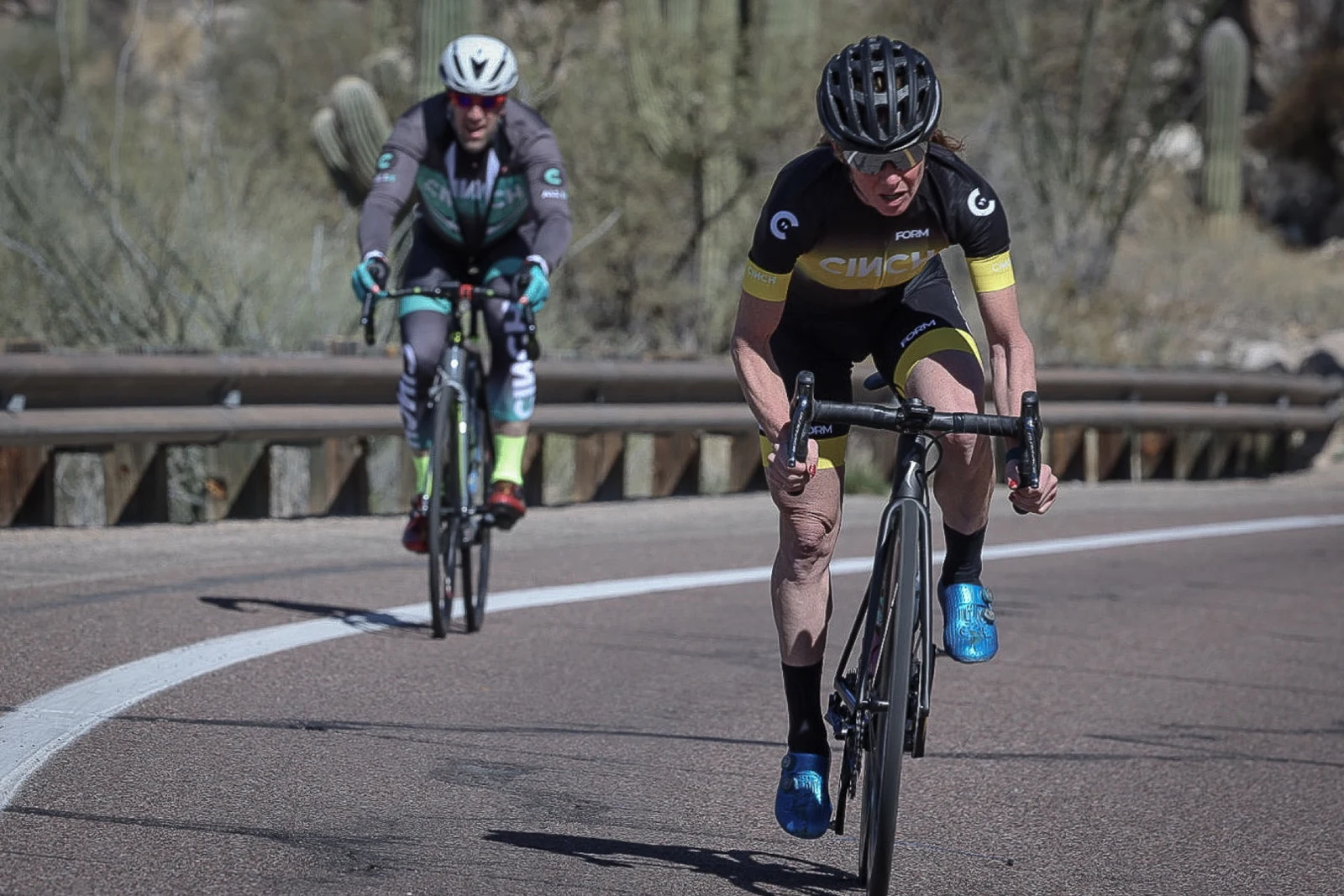
The Cinch method
How Cinch coaching works.
Every plan is built on the FORM Method: four pillars of performance, the ASCEND process for change, and eleven PowerTrain Zones that match how races are actually ridden.
Free rider type assessmentTalk it through with a coach. It's free.
The four pillars of FORM
Cinch took a magnifying glass to the sport and found four pillars of performance. Each is broken into manageable pieces, with tools and processes for each. Keep improving in one or more of them and you keep improving as an athlete.
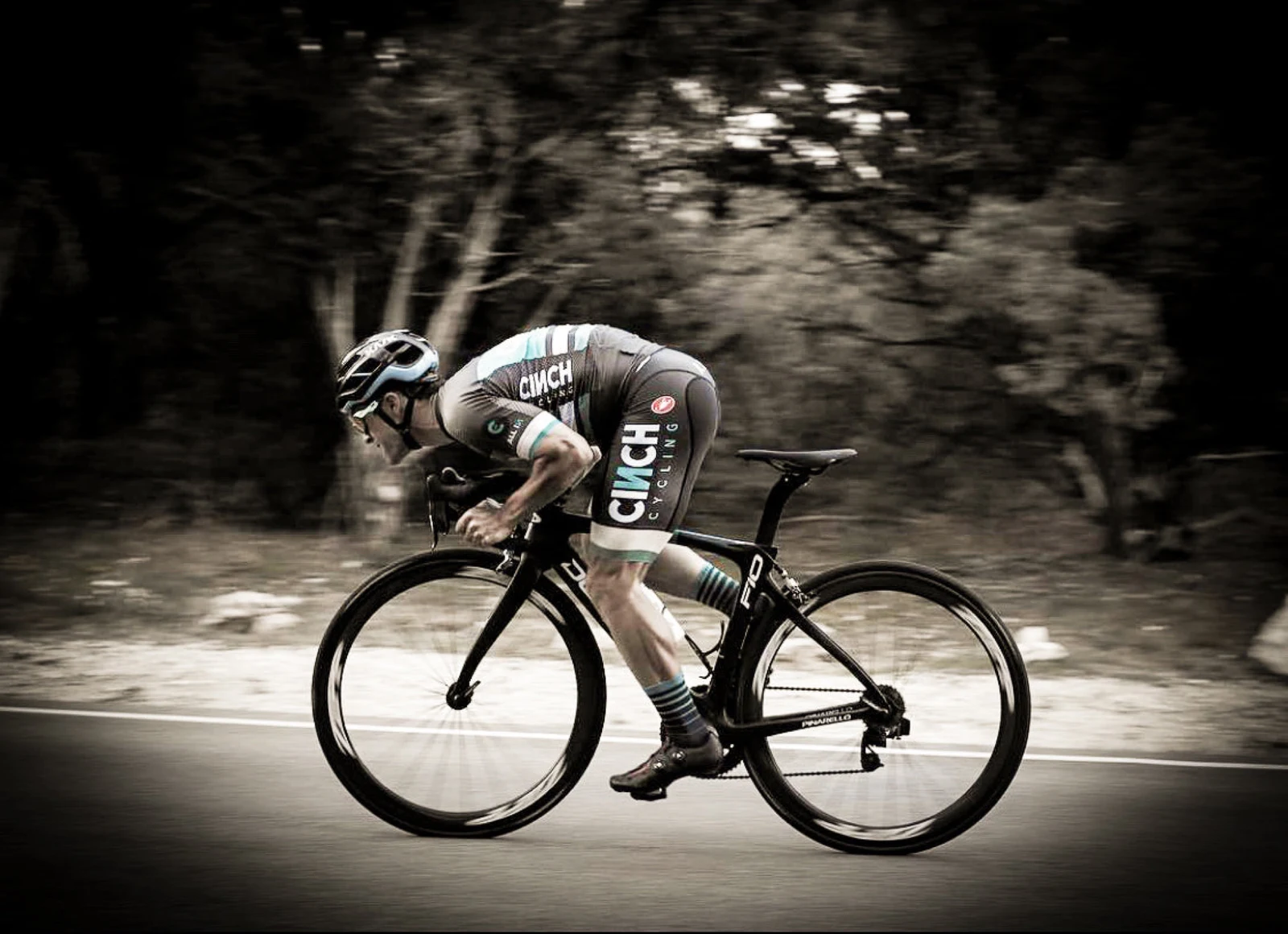
Pillar 1
Fitness
Training built for what really happens on the bike: the pace is always changing, so you train every gear your body has. Workouts build on each other, and Foundation, Growth and Define periodization raises your zones each quarter.
- PowerTrain ZonesEleven zones, one for each action in cycling
- PeriodizationFoundation, Growth, Define, every quarter
- StrengthSpecific to your goals

Pillar 2
Nutrition
The 3-Sigma Nutrition System, led by Kourtney Danielson, takes the guesswork out of fueling. It breaks every meal and every ride down into three questions you can actually answer.
- PurposeWhy you're eating
- CompositionWhat's on the plate
- TimingWhen, around training and recovery
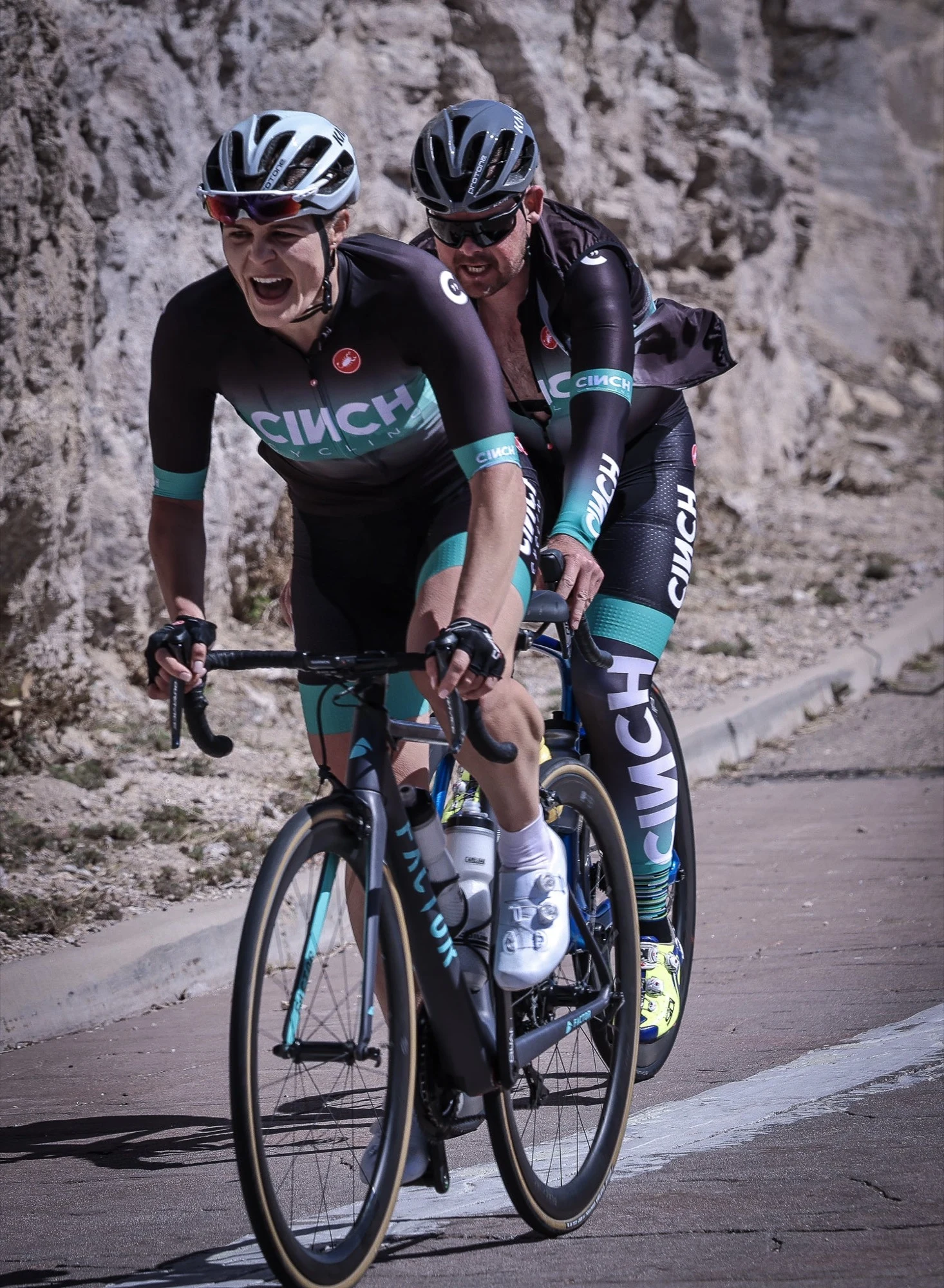
Pillar 3
Execution
The fastest riders don't always have the most power. They use it better. The North Star of Execution is five skills that turn the power you have into speed and momentum.
- Power ControlPower Floors and Power Ceilings
- Cadence ControlGain momentum, then hold it
- Body PositionSeated, standing and at speed
- SeparationPacing your effort on any road
- Transitional ControlThrive when the pace surges
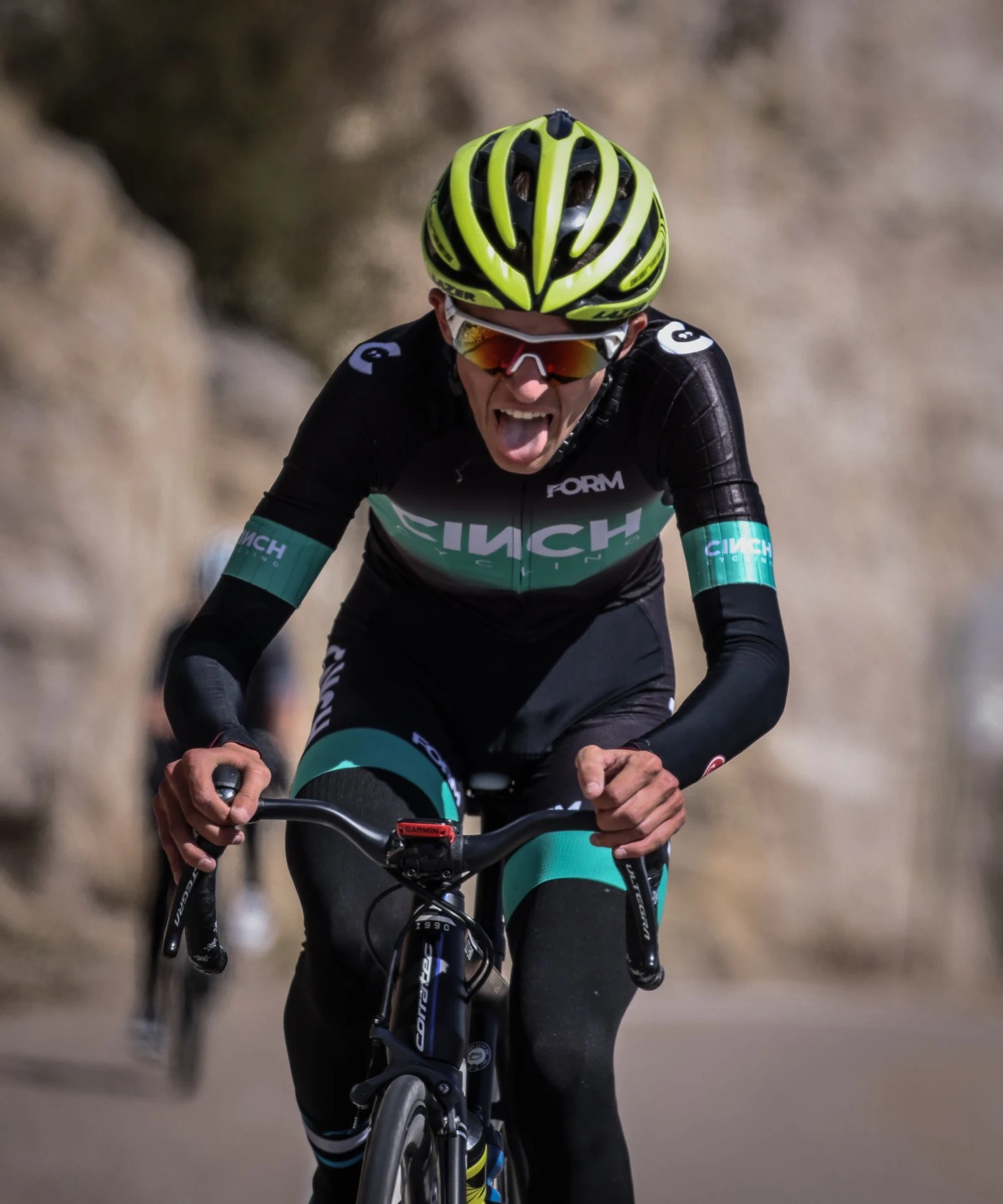
Pillar 4
Focus
The mental foundation under the other three. Coaching covers both sides of the mindset: building the habits that drive progress, and handling fear, setbacks and stress when they come.
- ProactiveFocus on demand, purpose, goals, self-accountability
- ReactiveFear, failure, pressure, confidence
- Black Line ClarityA check-in to prime your mind for the day's effort
The ASCEND process
How Cinch coaches change. Every setback is treated like a mountain: the road only goes up and over, or back where you came from.

The eleven PowerTrain Zones
"Zone 2" means something different to every rider. Cinch uses eleven zones, defined by fuel, muscle strain and lactate, so every workout and every race has a shared language. Muscle strain runs 1 to 11 with the zone number.
Endurance
Fat burning, little or no lactateThreshold
Fat and glycogen, lactate bufferedExplosive
Glycogen, a few minutes at mostSee how the method fits your season.
Answer the Rider Type Assessment, then talk it through with a Cinch coach on video. The coach reads your answers before you meet.