How do you execute the optimal pedal stroke?
Your pedal stroke is untapped potential. Most people fixate on “left/right” balance and use “balance” as the focus in improving their pedal stroke.
There is much more to the pedal stroke than equally trying to push on the pedals on both sides of the cranks. Your technique and the muscles groups used in a particular order will give more power and more endurance to your cycling.
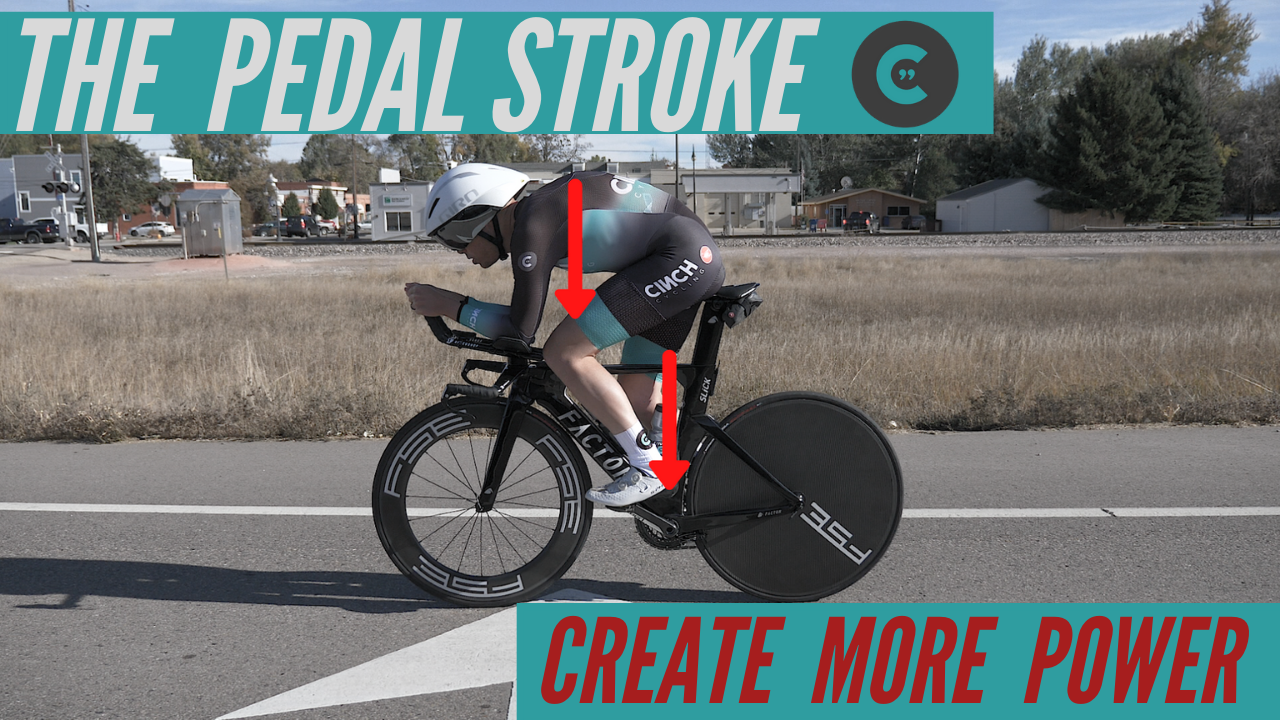
I believe the best way to perfect your pedal stroke is to think of it in two parts: the downstroke and the upstroke.
In most cases, people are dominant in the downstroke and struggle in the upstroke. If you feel the same about yours after watching this video, don’t worry you are not alone.
The reason why it is generally the dominant part for most cyclists is because it is both in a motion we use off the bike as well as it uses the strongest muscle group in our legs, the quadriceps. And get this, you can become so efficient with your quads that your power balance is 50/50 with a perfect “spinscan” reading. But there is power left on the table!
There is untapped power opportunity in the upstroke! Begin with how much more pedal stroke range there is in terms of hands on the clock (11 to 7 (net of 4) vs 7 to 11 (net of 8)) - as shown in the video.
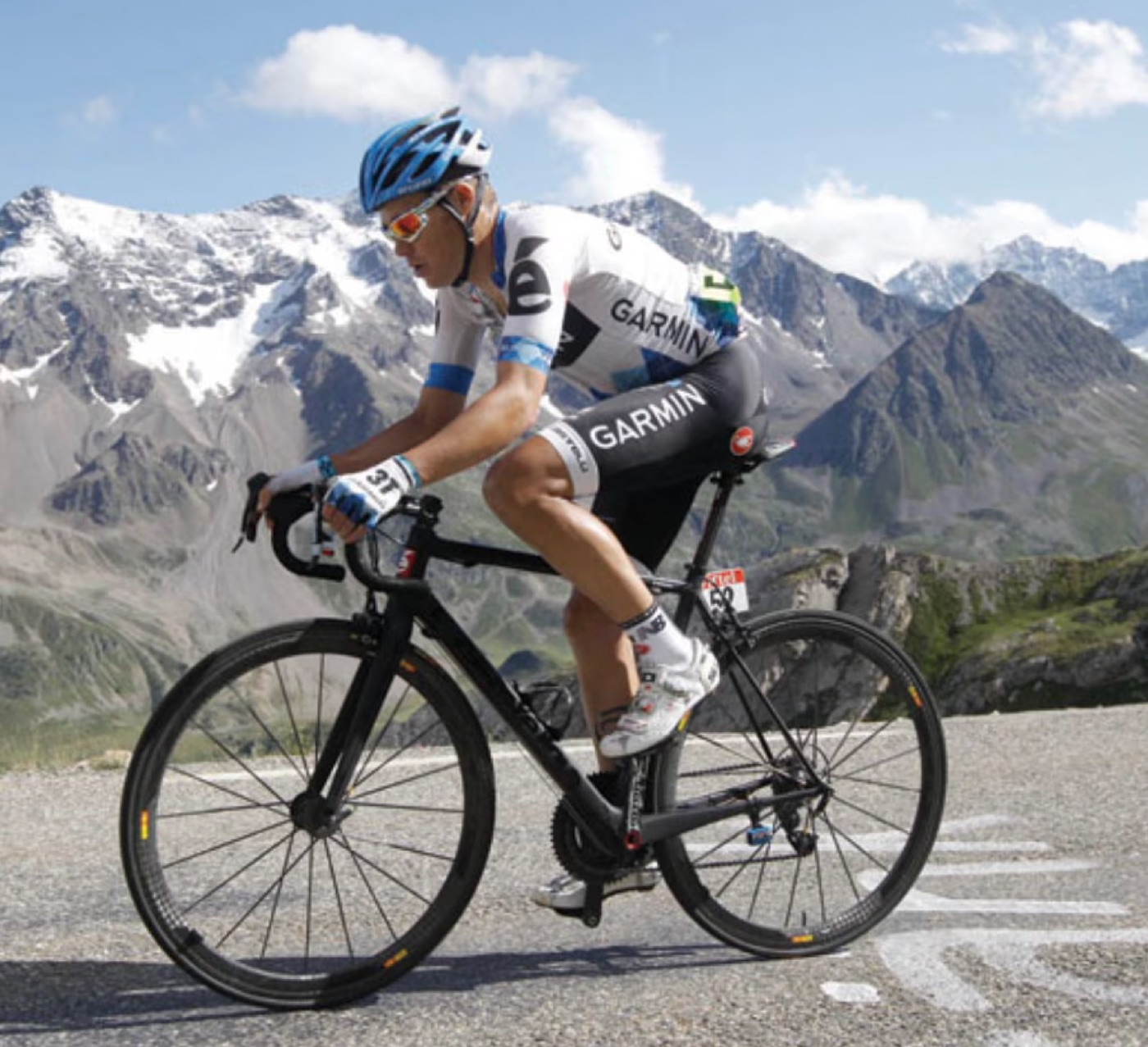
The upstroke also has additional power opportunity in terms of the total muscle groups used. In the upstroke you can use the calves, hamstrings, glutes, and the hip flexors. Compare this to the one muscle group the downstroke predominately uses and wow, so much more growth potential.
So how do you develop your pedal stroke? The first step is awareness. Please watch this video and study the key drivers and motions in each part of the stroke.
The second step is practice. At CINCH our training utilizes daily drills and exercises that develop technique in both the up and downstroke. Make sure your training includes drills that work to improve yours!
VideoVideo · plays from Vimeo