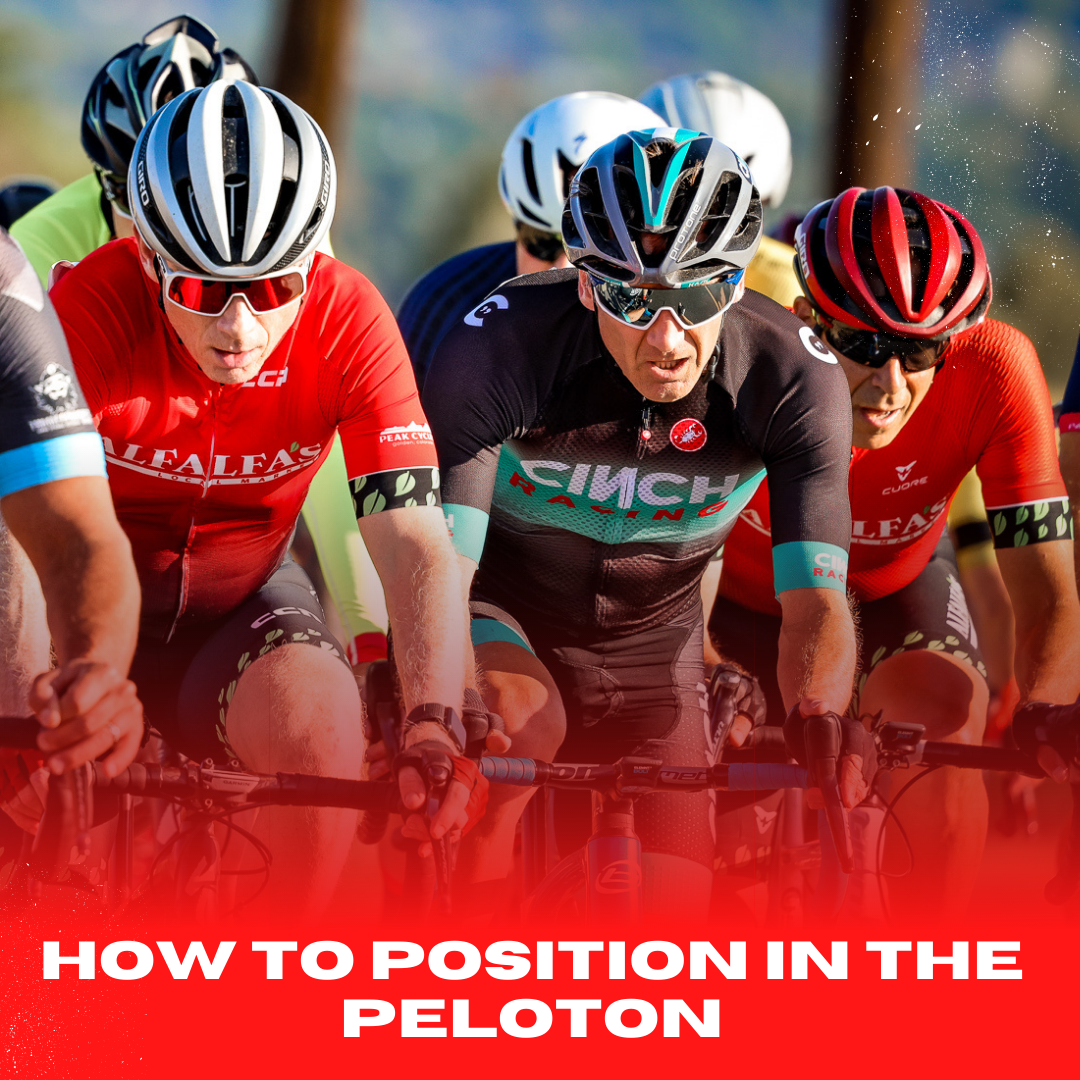

Positioning in the peloton is one of those things that no one teaches.
In this post I am going to share with you some gems from the TDF peloton. This stuff, while may seem so basic, is truly next level. Apply this and you will change the game!
To begin I want you to group position strategy by speed changes. There are three basic categories of speed changes.
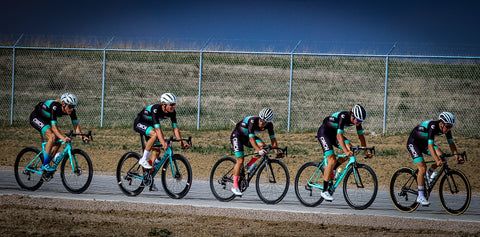
Speed: Fast to Fast
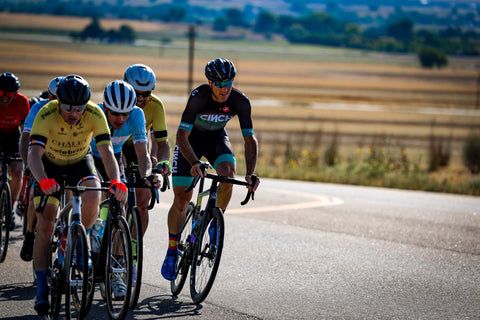
High speed section where the pace is steady or high, often resulting in the peloton being lined out. Moving up, while no one is in the way, requires the most energy for the least positions gained.
Speed: Fast to Slow
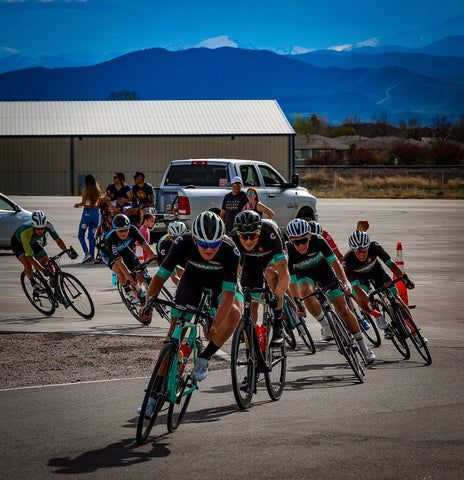
Flat or downhill coming into a climb. The speed is high and then it dramatically decreases, resulting in the the peloton going from a line to a group. Moving up here uses the least amount of energy with the most positions gained.
Speed: Slow to Fast
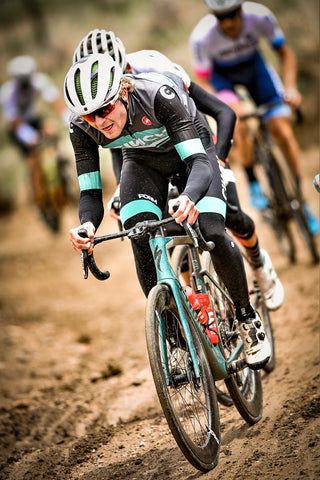
Over the the top of a climb or out of a corner. The speed is lower because of the climb or because you are in the corner, but as you crest into the downhill or exit the turn, the speed drastically increases. This big change in speed has a significant impact in the peloton because while the riders in front are gaining speed, the riders further back are riding at a much slower speed. To increase the speed from a very high speed requires maximum power, while the riders ahead are recovering.
Speed: Slow to Slow
This is when the group is riding easy. The speed is low and the group is relaxed. Here be very careful to both not use to much energy moving up the group too quickly as well as getting on the front. Position yourself well using low power and stay there, no matter how easy it is. Why? Because you know what is going to come next is the key speed change, slow to fast!
So How do Time Your Effort to Position Around These Speed Scenarios?
Speed: Fast to Fast
Stay where you are and hold your position.
Speed: Fast to Slow
Move up and take positions (best to follow other riders when they move up.)
Speed: Slow to Fast
Already be in position and prepare to follow the surges and attacks.
Speed: Slow to Slow
Get and stay in good position using low power. Just because it is easy does not mean pull or buzz the group