We all don’t have mountains to ride to become a better climber.
So is there a way to do it without long climbs? Yes!
To become a better climber there are five simple things you can do in your training on short climbs, flat terrain, or even on an indoor trainer.
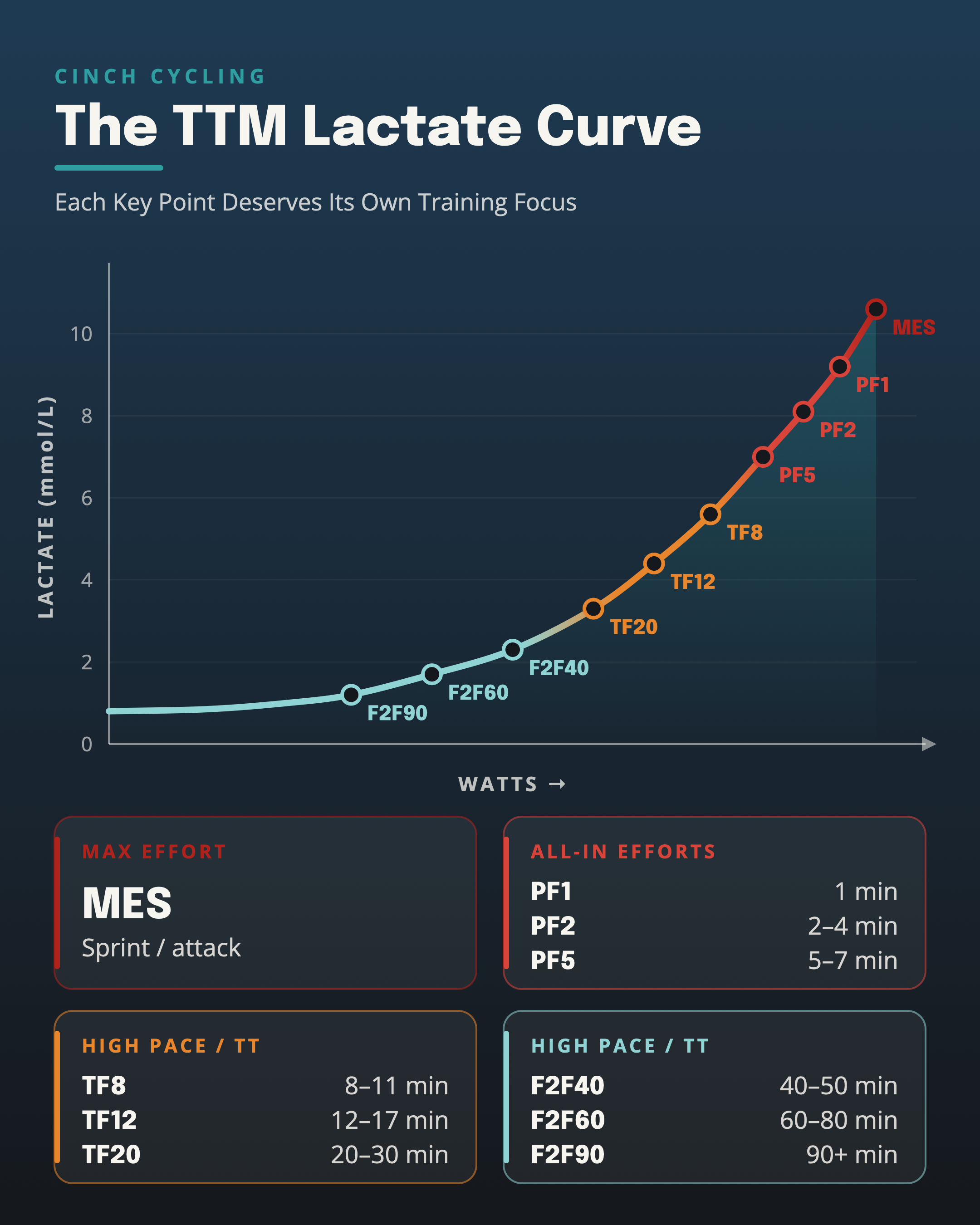
1️⃣ Train the zones you that you will need for climbing. Within our CINCH FORM system we have six zones that we use for climbing. You use your Medium zones (the three zones that use fat as a fuel). You use your Threshold Zones (the zones where you can use and clear at the rate you are produce lactate.). Finally you use your Explosive Zones (the high intensity zones above your Threshold zones in which the efforts are between 30 secs to 4 minutes long.) You don’t need to train these zones for long periods of time, or in large quantities, you just need to consistently train them in specific, and quite minimal amounts.
2️⃣ Train the cadences you will use in climbing. Climbing requires using a mix of low and high cadences, so it is important that you incorporate training them both on their own AND with the zones you will be using for climbing. Overall break climbing cadences into these three categories:
Low: 60-70 rpm
Mid Range: 75-85 rpm
High: 90 - 100 rpm
3️⃣ Train transitioning. Climbing requires many controlled transitions between zones, cadences, and technique. It is best to incorporate these transitions frequently in your intervals. An example of transitioning for climbing would be to accelerate for 30 seconds standing in an explosive zone at 90 rpm, and then transition down to sitting and in a threshold zone at 75 rpm to hold the speed.
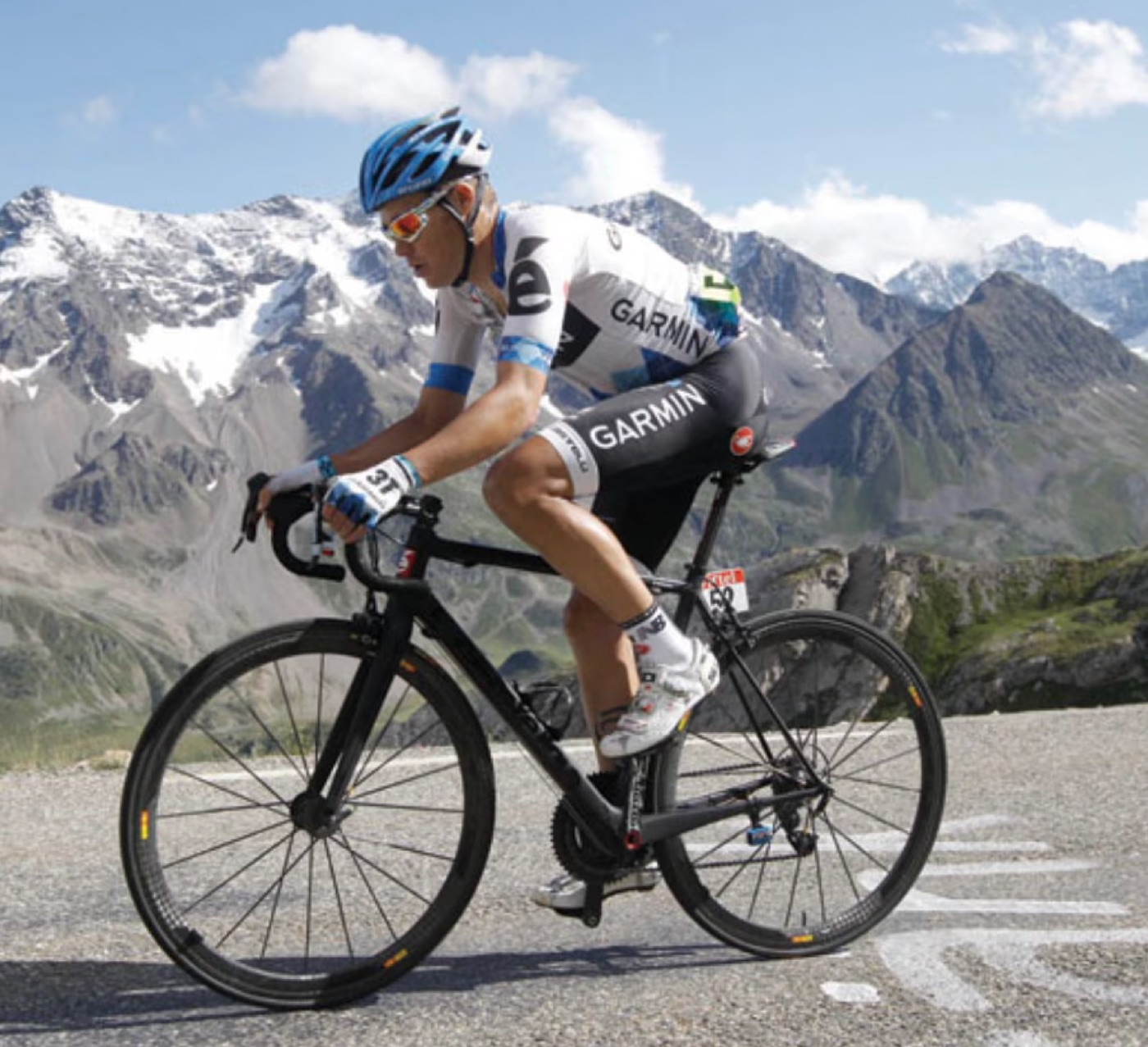
4️⃣ Train the key body position techniques in climbing (standing and seated). This begins as basic as working on your standing efficiency and gets as advanced as practicing specific seated/standing body positions based around the intensity you are doing.
5️⃣ Train your pedal stroke (Power Pedal Stroke and Acceleration Pedal Stroke.) This is best done by working on the control of your power in both the lower and higher cadences in ALL powers and both seated and standing. How well you control your power directly correlates to how well you can stay in your zones no matter what the gradient of the climb is doing.