
CINCH CYCLING
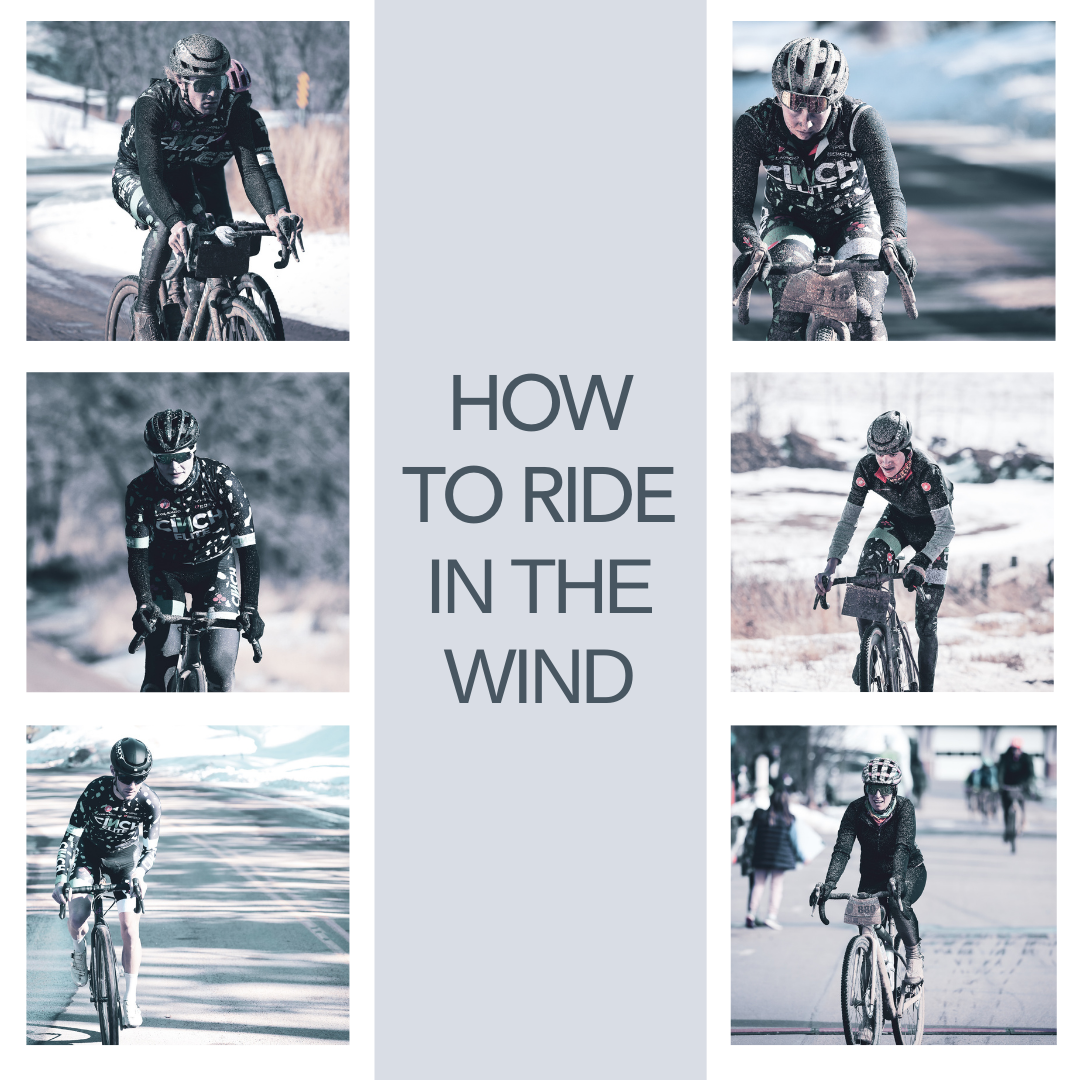
Collage of six gravel riders in dark Cinch kits riding through snowy, wintry roads, with a center panel reading "How to ride in the wind." Several riders are mud-splashed and hold the bars in a low, tucked position.

Training Tips · Tue Feb 8, 2022

How To Work With The Wind (Not Against) During Your Rides

Learn to tell headwind from tailwind by sound, then ride a headwind like a climb with steady effort and a tailwind like a descent.

The wind is a huge component in cycling. In fact, we believe it to be the highest level piece to the cycling performance equation.

No matter where you are, it always exists. Flats, climbs, and downhills there is always some sort of wind. Even in the most sheltered areas, there is a breeze that is affecting you’re riding in some way or another.

So what do you do? How do you you ride in each type of wind? For foundational purposes, let’s assume you are riding solo.
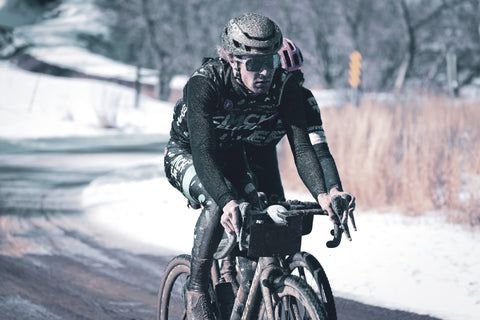
A cyclist in a mud-splattered black kit, helmet and glasses rides a gravel bike with a handlebar bag along a snowy road, hands on the tops of the bars. Dry winter grass and snow-covered ground surround the road.

Which way is the wind coming from?

So let’s begin with how do you find which way the wind is coming from? You listen to your wheels. Yes, this simple, but extremely affective method will work on all scenarios and help you to accurately pin point where the wind is coming from.

If you hear the sound of your tires on the pavement or ground, it is a tailwind. If you cannot hear you wheels and tires, instead the sound of the wind is in your ears, it is a headwind. Simple!
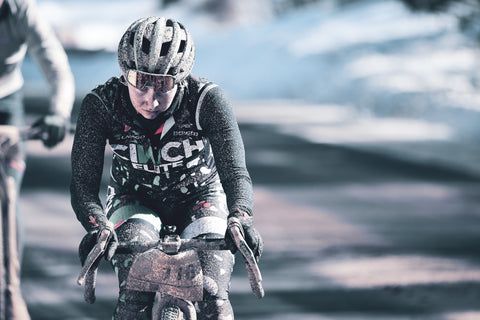
A mud-spattered rider in a helmet, glasses and long-sleeved kit rides toward the camera on a snowy road, hands on the drops of the handlebar. Another rider is partly visible at the left edge of the frame.

How do you ride in a headwind?

The key to a headwind is you treat it like a climb. You want to think about keeping constant pressure on without dropping the pace. Just like a climb, if you drop the pace, it requires large amounts of effort to regain the same pace. This means to avoid surging and focus on a steady effort.

A cyclist in a helmet, gloves and layered winter kit rides a gravel bike with a small front bag across a snow-covered field, hands on the drops and body upright, with dry grass and bare scrub behind.

How do you ride in a tailwind?

This one is all about raising the speed. You ride a tailwind much like a downhill, looking for all the places you can raise your speed and then doing the minimum after to hold the speed. So keep surging, raising power and the speed up, and then backing off the power. You will see the wind from behind will hold your speed allowing you to recover from the surge.
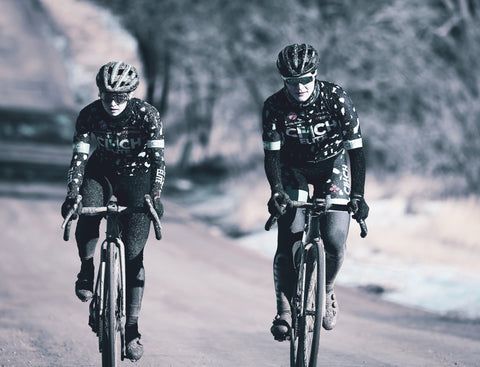
Two cyclists in matching black polka-dot kits and helmets ride side by side on a gravel road, both in a slightly hunched, forward-leaning position with hands on the handlebars. Trees and a bank of snow blur behind them.

There you go! How to ride in wind made a CINCH.

Next step

Ride your next hundred with a plan.

Forty-five minutes with a Cinch coach about your riding. Nothing to pay.

Book a free consult
Questions about this one?Ask Tom and other riders in Cinch Community. Sign in or join free.
Discuss this article
Written byKourtney DanielsonKourtney co-founded Cinch with Tom and created the 3-Sigma Nutrition System, which teaches busy cyclists how to fuel for peak performance.All 281 articles by Kourtney

Keep reading