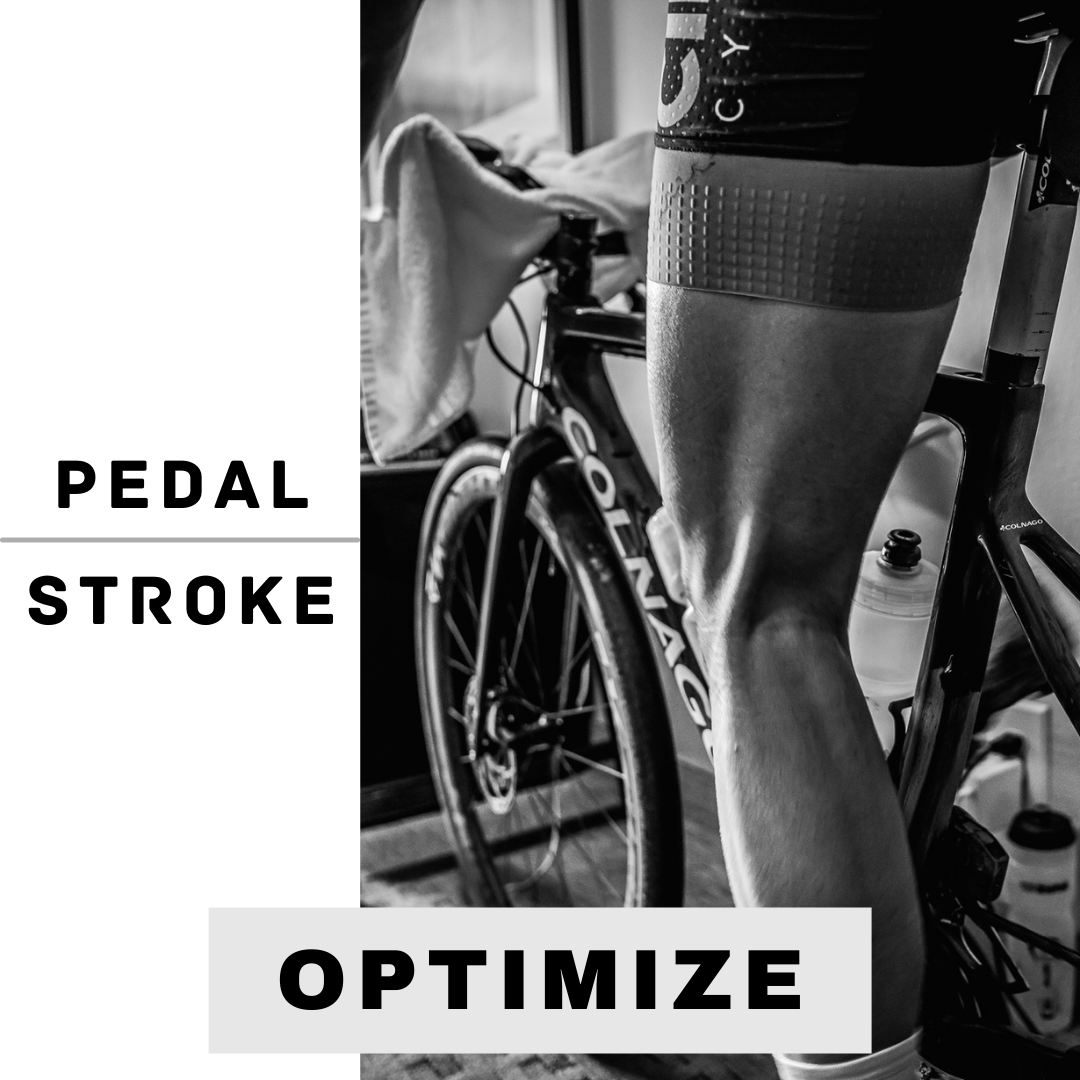

Pedal stroke technique is really the holy grail of cycling performance. It is here that you can create more speed out of your existing power, reduce cramps and muscle failure that will help you perform better and longer in events and rides, and eliminate those frustrating cycling injuries.
We have found a focus on the upstroke to bring the most performance improvement. The majority of cyclists tend to be dominant in their downstroke, thus over using their quads and underusing the hamstrings. Underused hamstrings not only reduce the amount of power you can be achieving on the bike, but also set you up for potential cramps and injuries when they quickly fatigue.
The upstroke accounts for the majority of the pedal stroke. If you were to look at a clock face, the down stroke goes from 1 to 5 o’clock, whereas the upstroke takes it from the 5 all the way back around to the 1. So the downstroke length is “4 hours” on the clock vs “8 hours” on the clock.
So what can you do to improve and maximize your upstroke?

1. Activate Muscles. Letting your body know they are there is actually half the battle. When you are sitting in an office chair or driving you typically shut off your hamstrings and glutes. So when you get on your bike your body tends to avoid using them on it’s own! To fix we recommend simply doing activation exercises to activate prior to each workout.

2. Technique Focus. While you are riding, focus on the muscles used while you are in the motion of the upstroke. This means visualizing the calves grabbing at the bottom of the upstroke. The hamstrings take over through the meat of it, and then the glutes firing as you pull up and over the top of the stroke with the hip flexors as well.
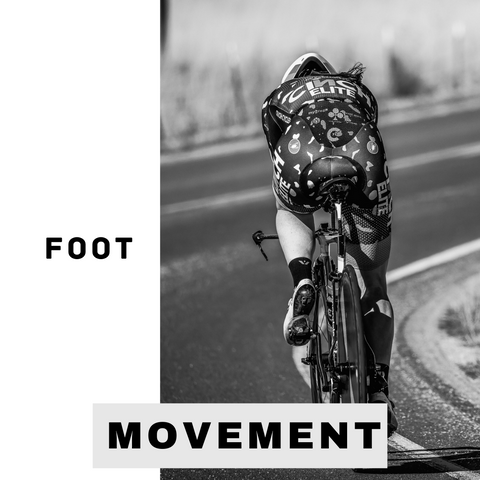
3. Foot Movement. Move your heel. By simply moving your heel during your pedal stroke you can optimize the muscles you are using during each part. By dropping your heel in the down stroke you optimize using the quads as they have a secure platform to push against. In contrast, raising up your heel on the upstroke you have a locked lever attachment to pull on.