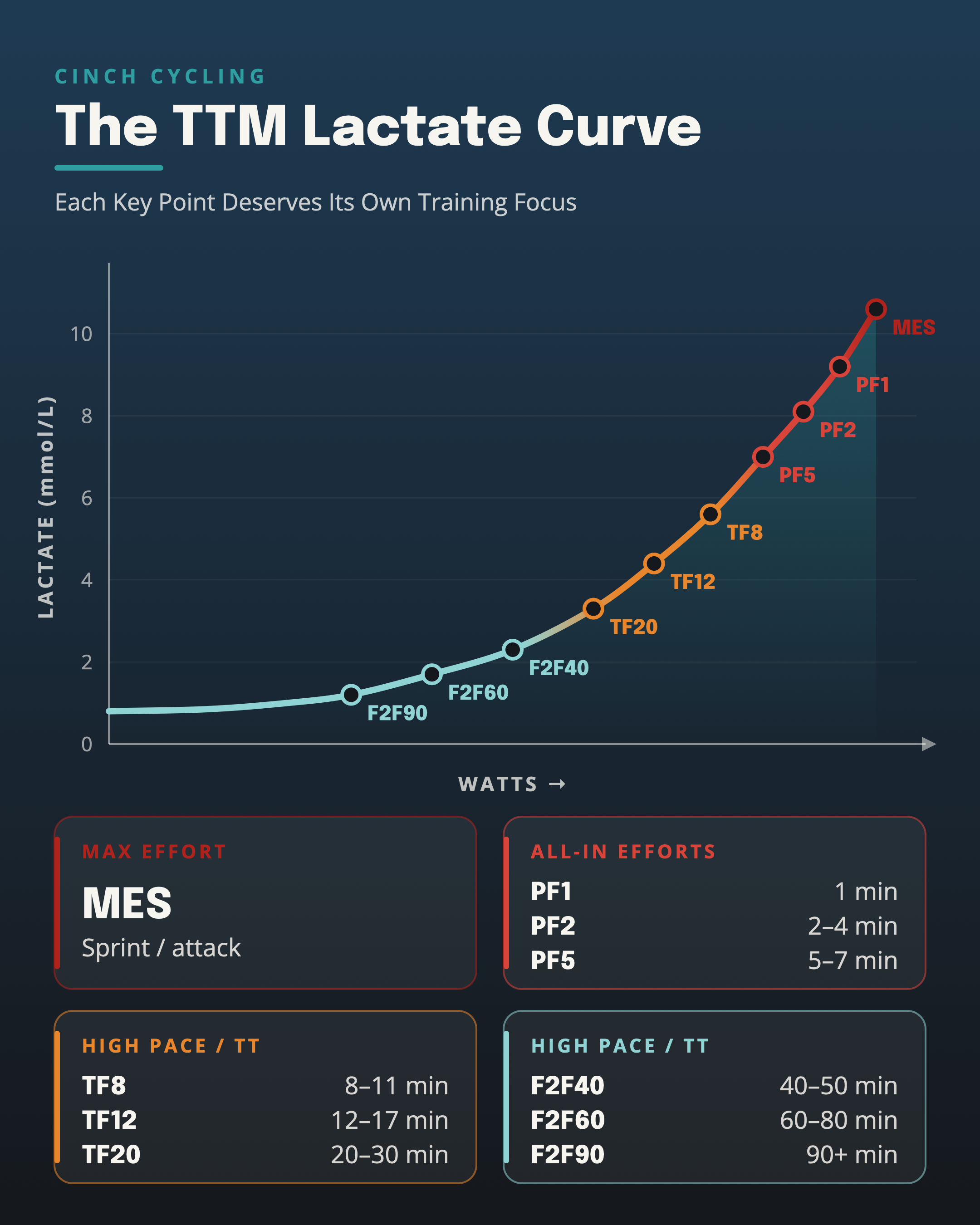
What type of training should you be doing these early months Nov, Dec, and Jan? Should your training be focused on volume or time in zones? Or should you just be “going with the flow” to save your motivation for a rainy day?
If you are a cyclist you probably approach your December/January training one of three ways:
1. Do what you want in the Winter to “avoid burnout” and call it being balanced or even cross training.
2. Ride lots of easy miles and call it “base training.”
3. Do specific training focused on meeting key amounts of time in upper zones instead of focusing on volume.
I have tried all three and here are my results:
1. I did this a few times in my career and usually when my life was disorganized. I went skiing with friends, did group rides instead of workouts, and stayed off the trainer. How did it work? Injured, sick and slow for the next year. I had to rush back into fitness which created knee problems and a weak immune system.
2. Oh base training! I love long easy rides in the Winter. Unfortunately they don’t actually make you better one of the ten areas you need to perform in cycling (while making you horrible in the other nine!) My results of base training were I got skinny and felt confident because I was a mile and fatigue millionaire. But, as soon as I started racing, I couldn’t do what I needed to perform. My key muscles atrophied and my efficiency in clearing lactate was no where to be found. I also got injured by forcing my overused tendons to handle a force they haven’t experienced in four months! Barf.
3. When I included specific but reduced amounts of intensity in my upper zones through the Winter (and not focusing on volume) not only did I maintain my top end efficiency during the Winter, but I did not get sick or injured during the Spring! I also was able to improve all my personal bests in that season rather than working so hard to catch up to how good I was the previous year.
So from my personal and coaching experience your Winter training is best done focused on incorporating small amounts of calculated zone work to achieve your best results.